

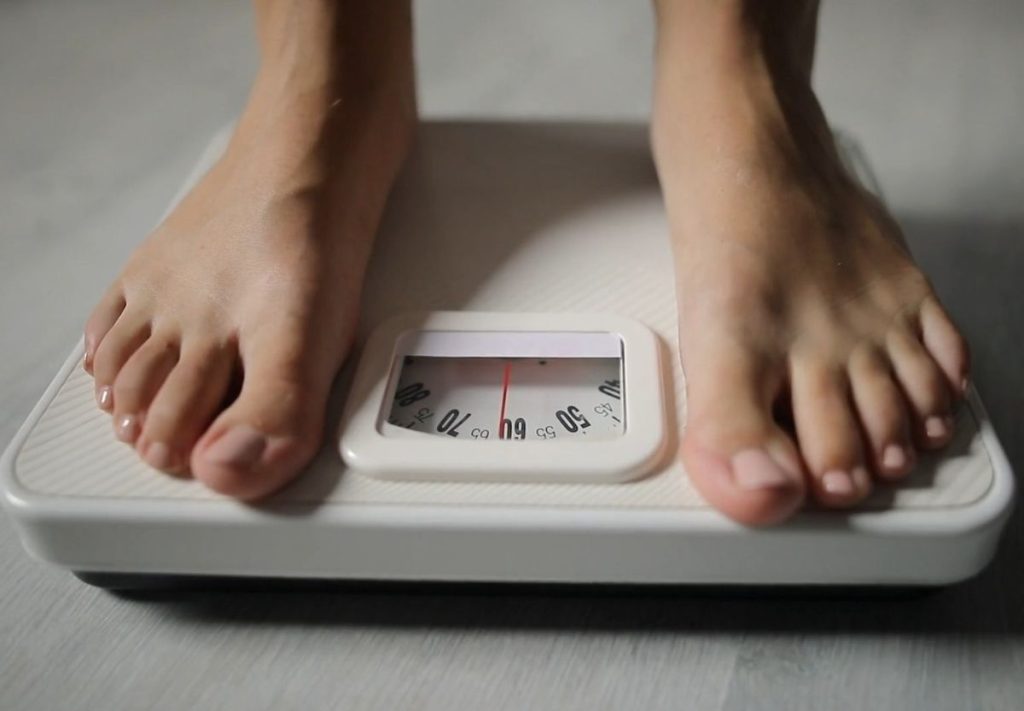
Many women in Surf City follow structured nutrition plans, track their food intake, exercise consistently, and still experience a weight loss plateau. When progress stalls despite discipline and effort, the issue is often not willpower. The underlying driver is frequently metabolic dysfunction, particularly insulin resistance, stress hormone imbalance, and inadequate muscle stimulus.
At Vital Wellness in Surf City, we commonly see patients who believe they are doing everything correctly but are unknowingly working against their own metabolism. Understanding the physiological reasons behind stalled fat loss is the first step toward correcting it.
Metabolic Adaptation and Why Calorie Cutting Stops Working
When calorie intake is reduced for an extended period, the body adapts. This process is known as metabolic adaptation. The body lowers resting metabolic rate to conserve energy. Hormonal signals that regulate hunger and satiety shift. Thyroid output may decrease. Non exercise activity often declines without conscious awareness.
Initially, weight loss may occur. Over time, however, the body becomes more efficient at functioning on fewer calories. The same intake that once produced fat loss becomes maintenance. Further calorie restriction often leads to fatigue, irritability, and muscle loss rather than continued fat reduction.
This is a common reason patients in Surf City report that their previous diet strategies no longer work. The issue is not effort. The issue is adaptation.
Chronic Stress and High Cortisol Levels
Chronic psychological and physiological stress elevates cortisol. Cortisol is a necessary hormone, but persistently high levels contribute to abdominal fat storage, blood sugar instability, and increased insulin output.
Sleep disruption, excessive cardio, under eating, and work related stress can all elevate cortisol. When cortisol remains high, the body prioritizes survival. Fat storage increases, particularly in the midsection. Blood glucose becomes more difficult to regulate.
High cortisol also reduces insulin sensitivity over time. When insulin sensitivity declines, more insulin is required to manage the same amount of glucose. Elevated insulin levels make fat loss significantly more difficult.
If you have already read our article on signs your insulin is too high, you understand how elevated insulin contributes to weight loss resistance. Chronic stress often worsens this pattern.
The Hidden Damage of Under Eating
Many women experiencing a weight loss plateau are not overeating. In fact, they are frequently under eating.
Prolonged low calorie intake reduces metabolic rate, decreases lean muscle mass, and impairs thyroid function. Protein intake is often insufficient. Micronutrient deficiencies may develop. Hormonal regulation becomes unstable.
Under eating also increases cortisol. The body interprets chronic caloric deficit as stress. This compounds metabolic slowdown and promotes fat retention.
In Surf City, we frequently assess patients who believe they need to eat less to lose weight. In many cases, the more effective intervention is restoring adequate protein intake, improving nutrient density, and strategically supporting metabolic recovery.
Why Over Exercising Can Stall Fat Loss
Exercise is essential for metabolic health. However, more is not always better.
Excessive cardio without adequate recovery increases cortisol and can reduce muscle mass if protein intake is insufficient. High volume endurance training without strength stimulus does little to improve insulin sensitivity in the long term compared to resistance training.
Over exercising in combination with under eating creates a stress dominant state. In this state, the body prioritizes energy conservation. Fat loss slows or stops entirely.
For many individuals in Surf City, reducing excessive cardio and introducing structured strength training leads to improved metabolic markers and gradual, sustainable fat loss.
The Importance of Muscle Stimulus for Insulin Sensitivity
Skeletal muscle is a primary site of glucose disposal. The more metabolically active muscle tissue you have, the more efficiently your body can regulate blood sugar.
Strength training improves insulin sensitivity by increasing glucose uptake into muscle cells. This reduces circulating insulin levels over time. Lower insulin levels facilitate fat mobilization.
A lack of progressive resistance training is a common missing component in women who report doing everything right. Walking and group cardio classes support cardiovascular health, but they do not provide the same metabolic stimulus as structured strength training.
At Vital Wellness in Surf City, improving muscle stimulus is often a foundational part of restoring metabolic balance.
Insulin Resistance and the Weight Loss Plateau
Insulin resistance develops when cells respond poorly to insulin signaling. The pancreas compensates by producing more insulin. Elevated insulin promotes fat storage and inhibits fat breakdown.
Common contributors include chronic stress, poor sleep, sedentary behavior, high refined carbohydrate intake, and prolonged metabolic adaptation from repeated dieting.
Even when caloric intake is appropriate, high insulin levels can prevent effective fat loss. This is why patients may maintain a calorie deficit and still not see measurable progress.
Insulin resistance does not always appear immediately on standard lab panels. Fasting insulin, hemoglobin A1C, triglyceride levels, and waist circumference often provide more insight than weight alone.
If you suspect elevated insulin may be contributing to your plateau, review our detailed breakdown in Signs Your Insulin Is Too High for additional clinical indicators.

A Whole Body Approach to Restoring Metabolic Health
Lasting fat loss requires improved insulin sensitivity, reduced chronic stress, adequate nutrition, and proper muscle stimulus.
This typically involves:
- Optimizing protein intake
- Supporting restorative sleep
- Reducing unnecessary cardio volume
- Implementing progressive strength training
- Addressing stress regulation
- Monitoring metabolic biomarkers
The goal is not aggressive calorie restriction. The goal is metabolic efficiency.
Patients in Surf City who shift from a restriction based mindset to a metabolic health approach often see improved energy, better body composition, and measurable changes in laboratory markers.
When to Seek Professional Evaluation
If you have been consistent with nutrition and exercise for several months without progress, it may be time for a metabolic evaluation.
Indicators include persistent fatigue, abdominal weight gain, sugar cravings, irregular menstrual cycles, difficulty recovering from workouts, or a history of repeated dieting.
At Vital Wellness in Surf City, we assess metabolic health using a comprehensive approach that evaluates insulin markers, body composition, stress load, and lifestyle patterns. The focus is identifying root causes rather than prescribing another restrictive plan.
If you are experiencing a weight loss plateau and suspect insulin resistance or hormonal imbalance may be contributing, schedule a metabolic consultation at Vital Wellness in Surf City to determine the appropriate next steps.
Frequently Asked Questions
Why am I not losing weight even though I eat healthy?
Healthy eating alone does not guarantee fat loss. Insulin resistance, high cortisol, inadequate protein intake, and lack of strength training can all prevent weight reduction despite balanced meals.
Can high cortisol cause weight gain?
Yes. Chronically elevated cortisol promotes abdominal fat storage, increases blood sugar, and can worsen insulin resistance, all of which contribute to weight gain.
How does insulin resistance affect fat loss?
Insulin resistance causes elevated circulating insulin. High insulin levels inhibit fat breakdown and increase fat storage, making weight loss significantly more difficult.
What is the best exercise for improving insulin sensitivity?
Progressive strength training is one of the most effective interventions for improving insulin sensitivity because skeletal muscle plays a major role in glucose regulation.